The key ideas
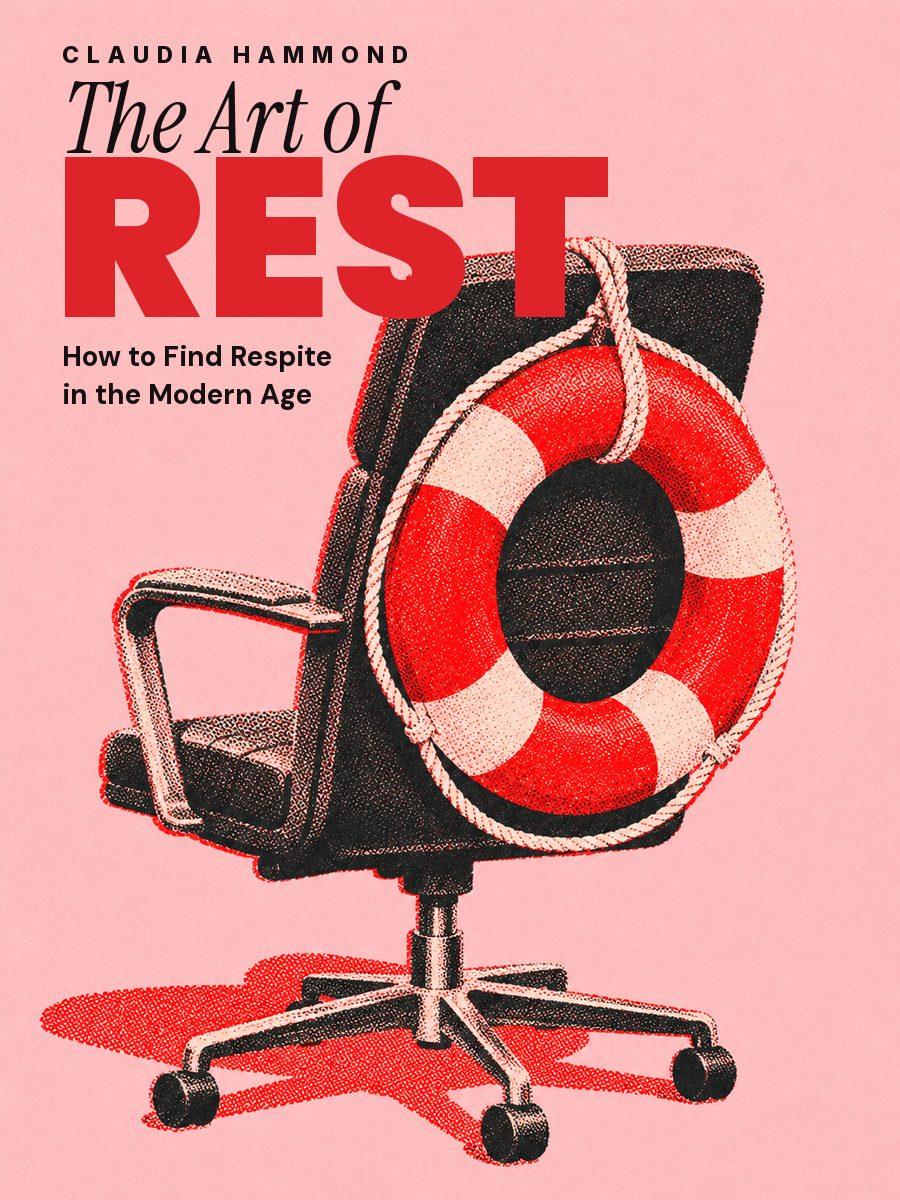
The Art of Rest: How to Find Respite in the Modern Age
Two thirds of the 18,000 people in a worldwide survey said they wanted more rest. The BBC psychology presenter Claudia Hammond looked closely at the ten activities they found most restful and weighed the evidence for each. Her answer is not a single method but a personal prescription: how much rest, of which kind, and without the guilt.
Who it is for
For anyone who has free hours in the week yet ends them feeling guilty instead of rested, and who wants to know which kind of rest actually works for them.
We want to rest more, we could rest more, we are perhaps resting more than we think we are – but we certainly don't feel rested.
The hammock that refuses to stay still
Picture a striped hammock above a turquoise sea. Getting into it is a small battle, but finally you lie still. Then a thought creeps in: perhaps you are being lazy, perhaps you should be doing something useful.
Claudia Hammond, who presents BBC Radio 4's psychology programme All in the Mind, sees our whole relationship with rest in that moment. With a research team called Hubbub she launched an online survey, the Rest Test. About 18,000 people in 135 countries took part, and two thirds said they would like more rest.
Hammond then checked the ten activities people found most restful against the research. Her conclusion: rest is neither sleep nor idleness. It is anything done while awake that restores you, and it works only in the right dose, chosen freely and taken without guilt.
Rest has a dose: too little hurts, and so does too much
The word rest goes back to Old Norse and Old High German words that also meant the distance after which a traveller stops. Hammond reads this as a clue: rest comes after activity, not instead of it.
The Rest Test agrees. People who felt fully rested had well-being scores twice as high as those who wanted more rest. Yet scores rose with hours of rest only up to about five or six a day, then dipped. Hammond suspects illness or job loss forced the extra rest on many of them.
Forced rest is no rest. The nineteenth-century rest cure kept patients in bed for weeks and often forbade them to read or sew. The writer Gilman later described a mental agony so great that she would sit blankly moving her head from side to side.
Doctors say “get some rest” without naming a dose, so we write our own prescription. Start by noticing the rest you already get: British time-use surveys put men's leisure at about six hours a day and women's at about five and a half.
About the author
Claudia Hammond is a British writer and broadcaster who presents All in the Mind on BBC Radio 4 and is a visiting professor in the public understanding of psychology at the University of Sussex.
All books by this author: Claudia Hammond
The Art of Rest: How to Find Respite in the Modern Age Quiz
Terms from the book
- rest cure
- flow
- Rest Test: An online survey launched on BBC radio by the Hubbub team. About 18,000 people from 135 countries described how much they rested and which activities they found restful.
- Hubbub: An interdisciplinary research group of psychologists, historians, artists and others who studied rest for two years at the Wellcome Collection in London.
- Gilman: Charlotte Perkins Gilman, an American writer of the late nineteenth and early twentieth centuries. Her story “The Yellow Wallpaper” draws on her own experience of the rest cure.
- Gershuny: Jonathan Gershuny, a British sociologist who studies how people use their time.
- Bellezza: Silvia Bellezza, a researcher at Columbia Business School who studies how busyness works as a sign of status.
- Lauckner: Mark Lauckner, a neuroscientist at the Max Planck Institute for Human Cognitive and Brain Sciences in Leipzig.
- perseverative thinking: A psychological term for the combination of brooding over the past and worrying about the future.
- Scullin: Michael Scullin, director of the Sleep Neuroscience and Cognition Laboratory at Baylor University in the USA.
- extroverts: People who draw energy from company and tend to seek it out. The opposite are introverts, who more often prefer quiet and time alone.
- Long and Averill: Christopher Long and James Averill, American psychologists who study solitude and how it differs from loneliness.
- O'Hagan: Sean O'Hagan, a musician the author knows, who shared his answer to the question of what the opposite of loneliness is.
- Nell: Victor Nell, a Zimbabwean clinical psychologist who studied keen readers in South Africa in the 1980s.
Similar books
- The Biology of Desire: Why Addiction Is Not a Disease, Marc Lewis
- The Comfort Crisis: Embrace Discomfort to Reclaim Your Wild, Happy, Healthy Self, Michael Easter
- The Daily Warrior, Heidi Leatherby
- The Dorito Effect: The Surprising New Truth About Food and Flavor, Mark Schatzker
- The Emperor of All Maladies: A Biography of Cancer, Siddhartha Mukherjee
- The Great Pretender: The Undercover Mission That Changed Our Understanding of Madness, Susannah Cahalan
- The Joy of Movement: How Exercise Helps Us Find Happiness, Hope, Connection, and Courage, Kelly McGonigal
- The Molecule of More, Daniel Z. Lieberman, Michael E. Long
- The Art of Seduction, Robert Greene
- The Art of Showing Up: How to Be There for Yourself and Your People, Rachel Wilkerson Miller