
Book quiz
A Random Walk Down Wall Street: The Time-Tested Strategy for Successful Investing Quiz
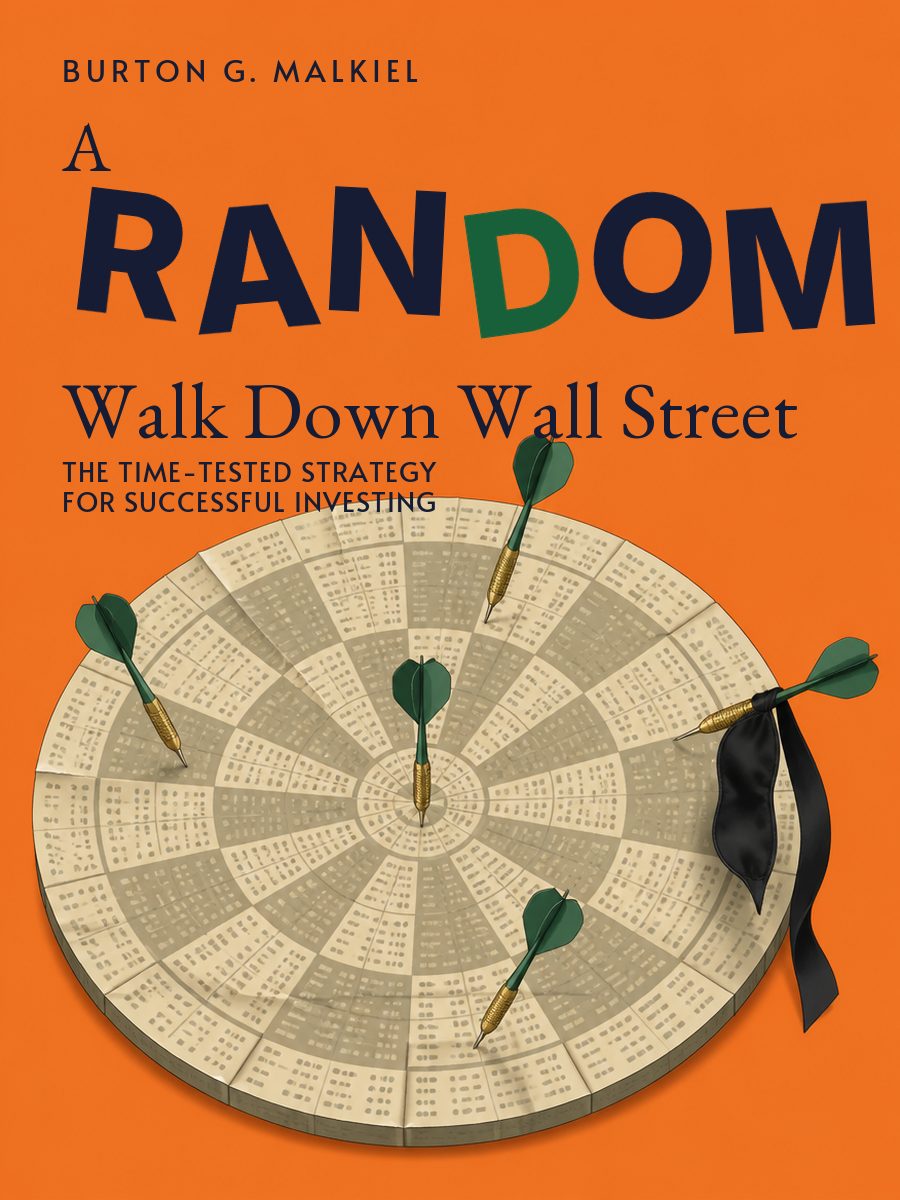 A Random Walk Down Wall Street: The Time-Tested Strategy for Successful InvestingBurton G. Malkiel
An economics professor showed a chart expert a chart drawn by tossing a coin, and the expert urged him to buy right away. Malkiel walks you from Dutch tulips to the internet bubble and asks whether anyone can predict prices reliably. The answer is awkward for Wall Street, but it gives ordinary people a simple, calm…
Question 1 of 5
A colleague buys rare sneakers for three times the price, planning to resell them in a year. What theory is that price resting on?
Show the answer
Right answer: The greater-fool theory
The castle-in-the-air theory: a thing is worth whatever the next buyer will pay. Malkiel, less politely, calls it the greater-fool theory.
Question 2 of 5
A friend insists that the old standards no longer apply and prices won't fall now. How does Malkiel see this?
Show the answer
Right answer: As a warning sign of a bubble
The bubble returns in every generation in a new suit, and almost always someone says a new era has begun. Land prices in Japan were explained the same way.
Question 3 of 5
You're shown a stock chart with a classic pattern and promised a rise. What does the story of the students with the coin remind you of?
Show the answer
Right answer: A tossed coin draws the very same pattern
Charts drawn by a coin produced "head-and-shoulders" patterns and upward breakouts. Runs of rising prices repeat no more often than pure chance would allow.
Question 4 of 5
In the morning a company announced record profits. Why is it too late to buy on that news by lunchtime?
Show the answer
Right answer: The price already reflects it, thanks to the thousands who read the news
The efficient market hypothesis: thousands of buyers learn the news quickly, and the price takes it in almost at once. A banknote doesn't lie in the street for long.
Question 5 of 5
Why, according to Malkiel, does an index fund beat most people who try to beat the market?
Show the answer
Right answer: It doesn't pay for attempts to guess
An index fund is the market, so it won't beat the market. But it doesn't spend money on expensive managers and frequent trades, and that's what decides it.
Want all of the book's key ideas? Read or listen to its retelling in Livria.