
Book quiz
Boomerang: Travels in the New Third World Quiz
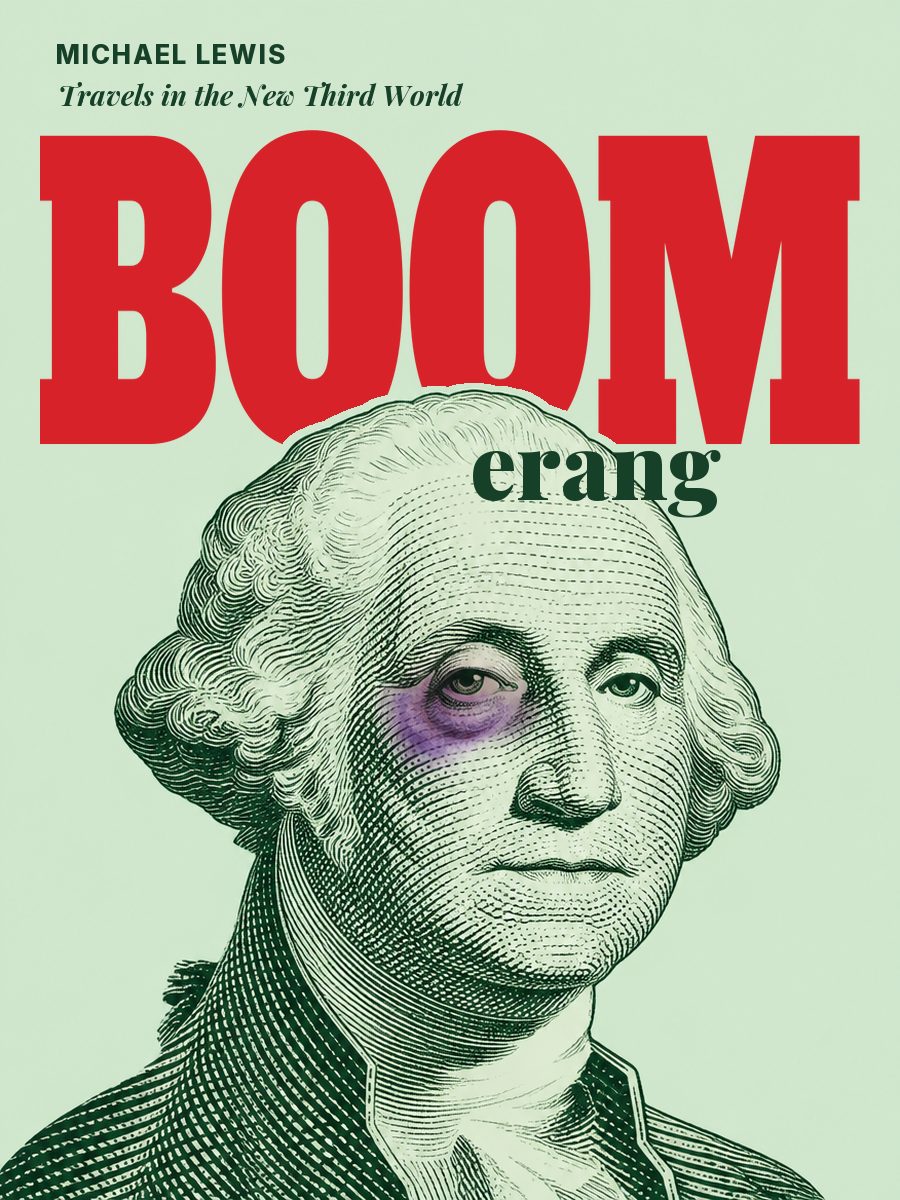 Boomerang: Travels in the New Third WorldMichael Lewis
In five years a nation of fishermen turned itself into a hedge fund, and then the bank losses came to $330,000 for every one of its citizens. Michael Lewis travelled through Iceland, Greece, Ireland, Germany and California to see what cheap money had done to each of these places. This book shows how debts come back…
Question 1 of 4
You're paid in your own currency, and a bank offers you a loan in yen at a low rate. What does the book say to check?
Show the answer
Right answer: Your payment if the loan's currency doubles in value
Icelanders borrowed in yen at 3% instead of 15.5% in krona, and when the krona collapsed, their debts grew many times over. A low rate is paid for with risk, so work out the payment at a shifted exchange rate.
Question 2 of 4
A friend is urging you to buy an apartment because prices will keep rising. How can you check whether it's a bubble?
Show the answer
Right answer: Compare the price with rents and incomes
Morgan Kelly saw houses in Dublin whose rent for a year didn't reach even 1% of their price. If only future growth explains the price, that's a sign of a bubble.
Question 3 of 4
Someone sells you an investment as both safe and very profitable. What should you ask, according to the book?
Show the answer
Right answer: Who pays this return, and for what risk
The German bank IKB bought top-rated bonds and lost more than 15 billion. There are no risk-free assets: the return is paid for risk.
Question 4 of 4
Your debts are scattered: a credit card, an installment plan, money owed to a friend. Where does the book say to start?
Show the answer
Right answer: Put them all on one list
Greece found out how much it owed only when it gathered all its obligations in one room. It's the same with personal money: an honest picture starts with a complete list.
Want all of the book's key ideas? Read or listen to its retelling in Livria.