
Book quiz
Digital Body Language: How to Build Trust and Connection, No Matter the Distance Quiz
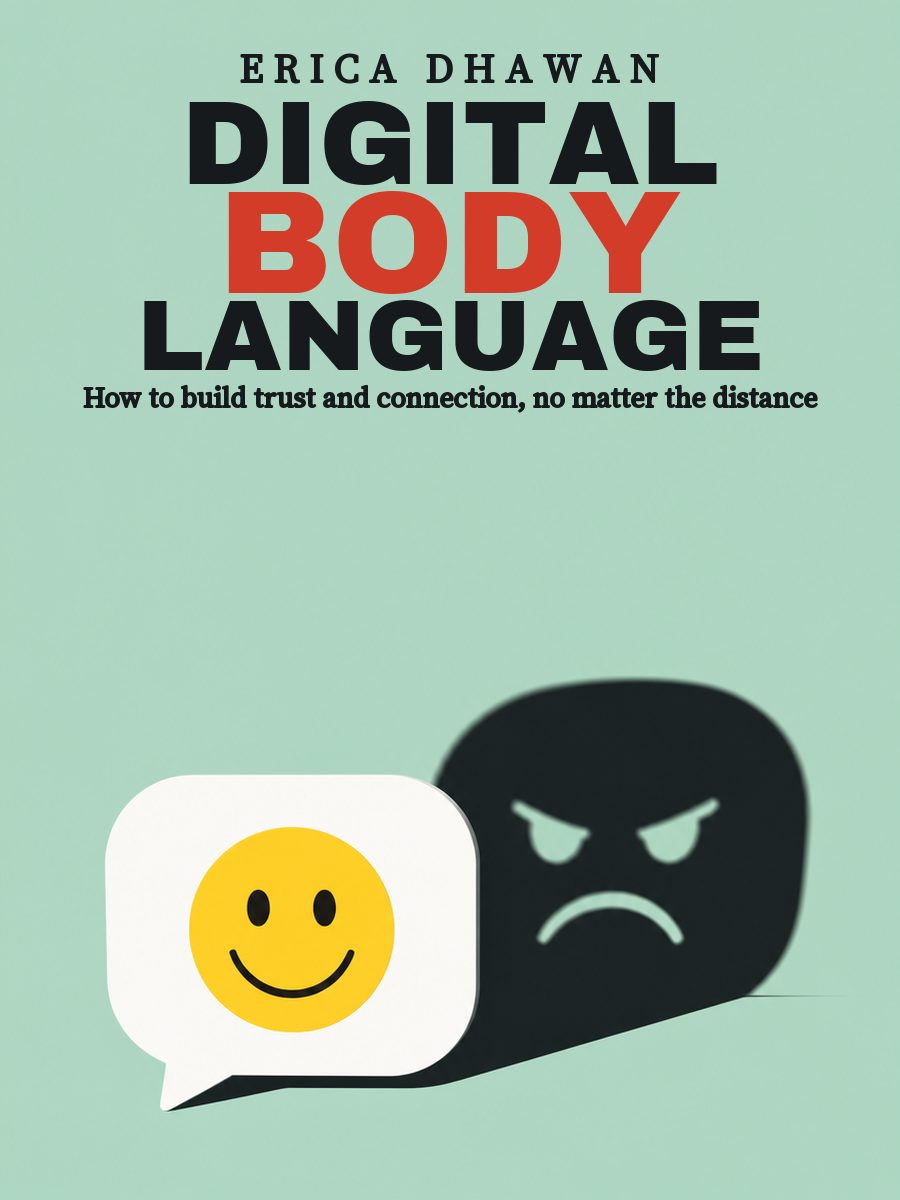 Digital Body Language: How to Build Trust and Connection, No Matter the DistanceErica Dhawan
A boss ends an email with a period, and an employee spends half the day wondering what they did wrong. Erica Dhawan examines how periods, pauses, emojis, copied recipients, and channel choices have replaced gestures and tone of voice, and why different people read the same message differently. She proposes four laws…
Question 1 of 5
You need to ask a colleague to look over a report. What check does Dhawan suggest for a request like this?
Show the answer
Right answer: Name who, what and when
A short message isn't necessarily a clear one. For work requests the author suggests the three Ws: who, what and when, so the recipient doesn't have to fill in the gaps.
Question 2 of 5
You've already sent two reminders about an email, and there's still no answer. What does the book advise?
Show the answer
Right answer: Switch channels, for example call
Dhawan gives practical advice: if there's no answer after two reminders, it's worth moving to another channel, such as a phone call.
Question 3 of 5
People answer the boss within a minute and a junior colleague by evening. According to Dhawan, what can response time reflect?
Show the answer
Right answer: Power
The author notes that response time can reflect power: people often answer a boss faster and a subordinate more slowly.
Question 4 of 5
A colleague from another country didn't react to your joke. What does the book advise?
Show the answer
Right answer: Ask with curiosity whether the point came across
When working across cultures, Dhawan advises curiosity instead of blame: a question mark is better than an exclamation point.
Question 5 of 5
A thread about deadlines has dragged on for twelve messages and is turning prickly. What does Dhawan suggest?
Show the answer
Right answer: Move the conversation to voice or video
The author advises moving a difficult conversation, or a question that has reached its fifth email, to a call: tone of voice and faces come back there.
Want all of the book's key ideas? Read or listen to its retelling in Livria.