
Book quiz
Solve for Happy: Engineer Your Path to Joy Quiz
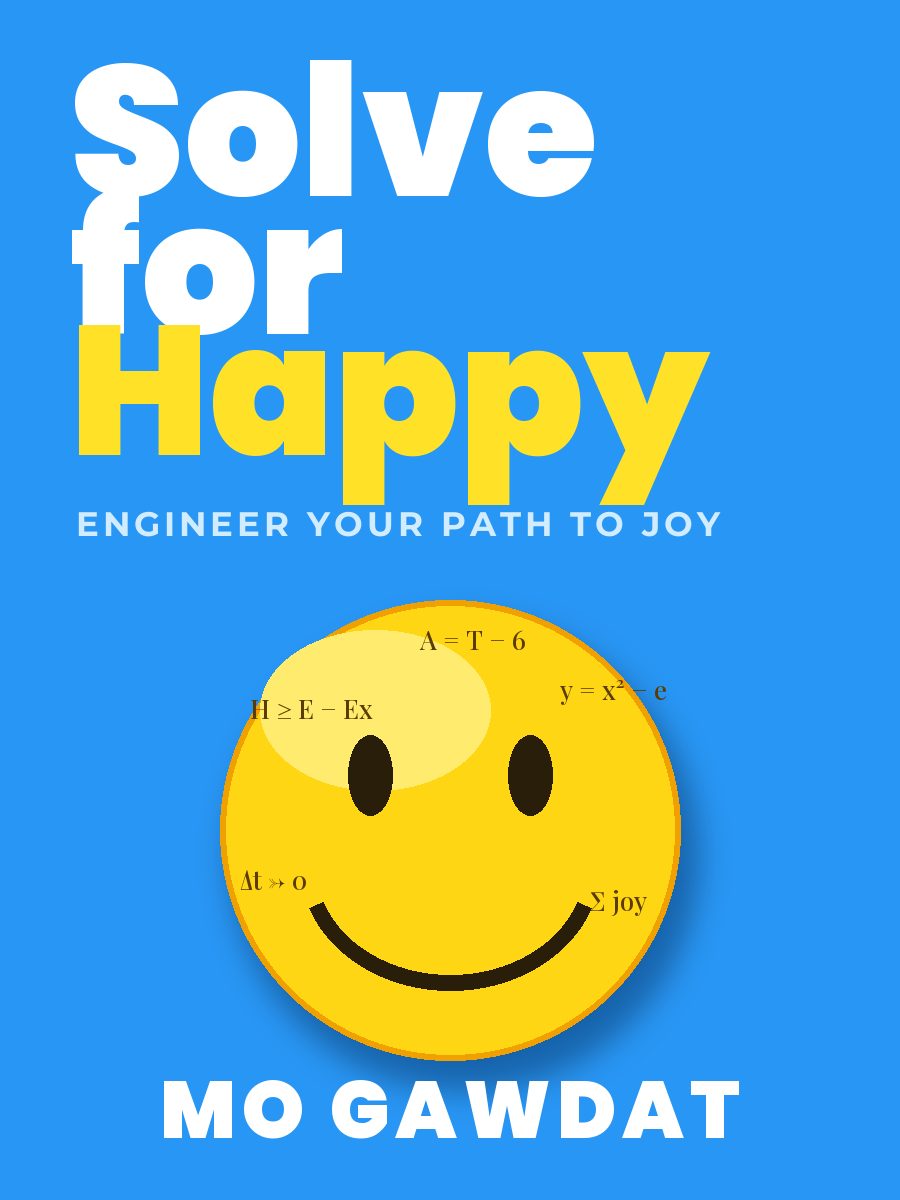 Solve for Happy: Engineer Your Path to JoyMo Gawdat
Mo Gawdat was a successful engineer and executive at Google, yet for years he could not enjoy his life. He approached happiness as an engineering problem and worked out an equation that later survived the hardest test there is: the death of his son. In this book he takes apart the errors of thinking that make us…
Question 1 of 5
In Gawdat's happiness equation, what stands next to expectations?
Show the answer
Right answer: How you perceive the events of your life
The equation has not the event but your view of it. So you can work on both sides: see events more soberly and set your expectations more honestly.
Question 2 of 5
You spend hours chewing over yesterday's hurt. What would Gawdat say?
Show the answer
Right answer: You're stretching out the pain yourself, like extra days of pain after dental work
Pain comes on its own and is useful, while suffering is something we stretch out with our thoughts. No one would choose the second option at the dentist, yet with a hurt that's exactly what we choose.
Question 3 of 5
A voice in your head grumbles and compares all day. How does Gawdat see it?
Show the answer
Right answer: The brain produces thoughts, and you're the one hearing them
Taking the voice for yourself is the first illusion. The brain is only a tool that looks too eagerly for threats, so you can argue with your thoughts.
Question 4 of 5
You've prepared for an interview as hard as you can, and the outcome is unknown. What does the principle of committed acceptance advise?
Show the answer
Right answer: Do everything that depends on you and accept any outcome
Only your actions and attitude are under your control. Accepting the result doesn't mean becoming indifferent, it means refusing to torment yourself over what you can no longer affect.
Question 5 of 5
The words "always," "never" and "definitely" keep coming up in your thoughts. According to Gawdat, what does this point to?
Show the answer
Right answer: The blind spot of exaggeration, which should put you on guard
Exaggeration is one of the seven blind spots. Like the others, it swaps what is for what the brain thinks about it.
Want all of the book's key ideas? Read or listen to its retelling in Livria.