
Book quiz
The Secret Quiz
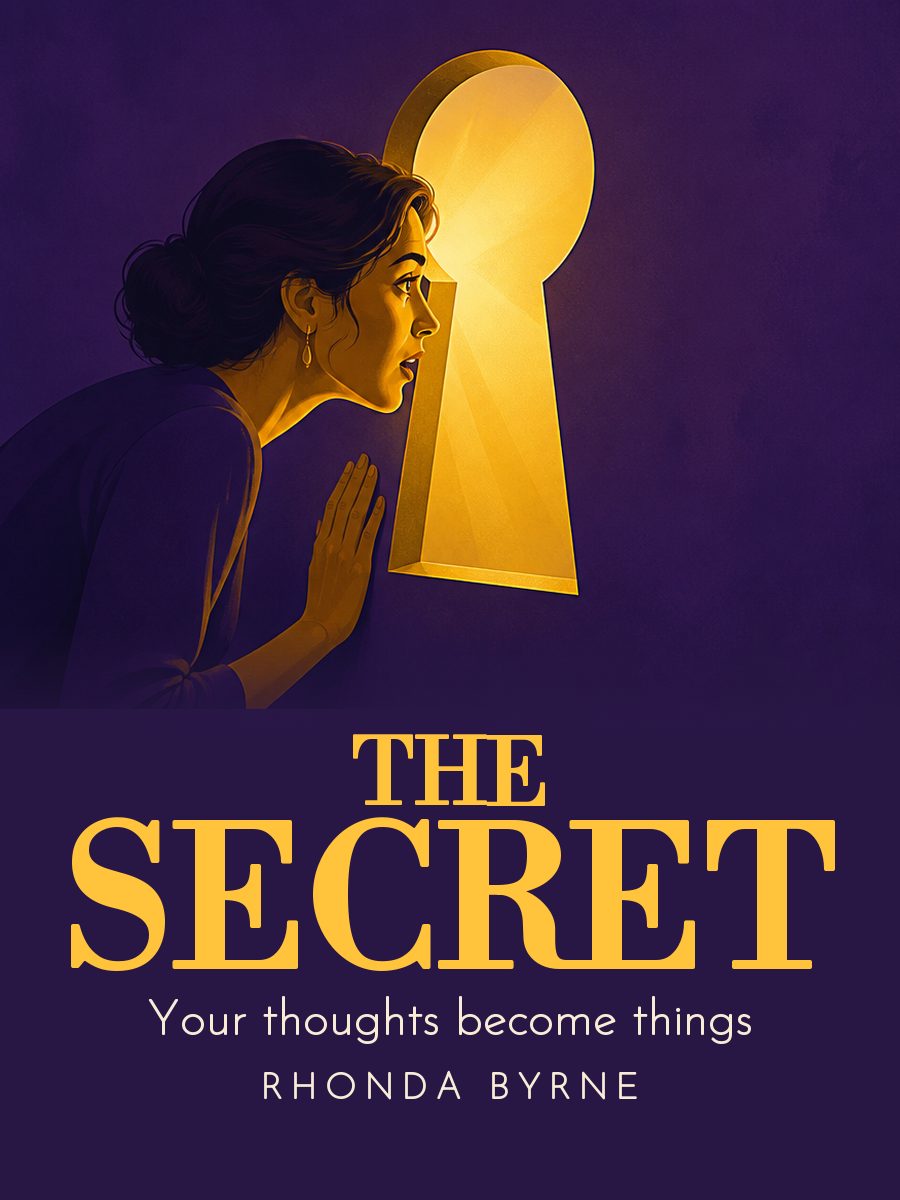 The SecretRhonda Byrne
One of the bestselling self-help books promises that if you think about what you want and believe it is already yours, the Universe will deliver it as though from a catalog. Science does not confirm this law, and critics see a dangerous side too. We examine where the “secret” came from, why people think it works, and…
Question 1 of 5
You're thinking about a new job and suddenly notice openings everywhere. How does the retelling explain this?
Show the answer
Right answer: Thoughts affect what we notice, and the openings were there before
Psychology agrees that thoughts affect what we notice and do. The idea that thoughts directly attract events is the author's belief.
Question 2 of 5
In the critics' view, what does Assaraf's story of the house on the vision board show?
Show the answer
Right answer: A sample of lucky cases: we hardly hear about boards that didn't come true
People tell stories about boards that "came true" and stay silent about those that remained pictures. Besides, years of work lay between the magazine and the purchase.
Question 3 of 5
Before an exam you can picture getting an A or picture the studying itself. Which helped students in the study?
Show the answer
Right answer: Picturing the process of preparing for the exam
In Pham and Taylor's study, those who pictured the process of preparing studied more and got better grades than those who pictured only the A.
Question 4 of 5
Before bed you recall three good moments from the day. What does the research in the retelling say about this?
Show the answer
Right answer: There's an effect, but it's modest, and it doesn't need the Universe
On average, gratitude exercises have a small effect on anxiety and mood. There's no need to explain it as a return from the Universe.
Question 5 of 5
A man lost his job in mass layoffs, and a friend advises him to "stop attracting failure." What's the danger?
Show the answer
Right answer: It's victim blaming: guilt for the trouble is added to the pain
If trouble is attracted by thoughts, then the person is to blame. Such logic deepens guilt and distracts from the real causes.
Want all of the book's key ideas? Read or listen to its retelling in Livria.