
Book quiz
How We Learn: The Surprising Truth About When, Where, and Why It Happens Quiz
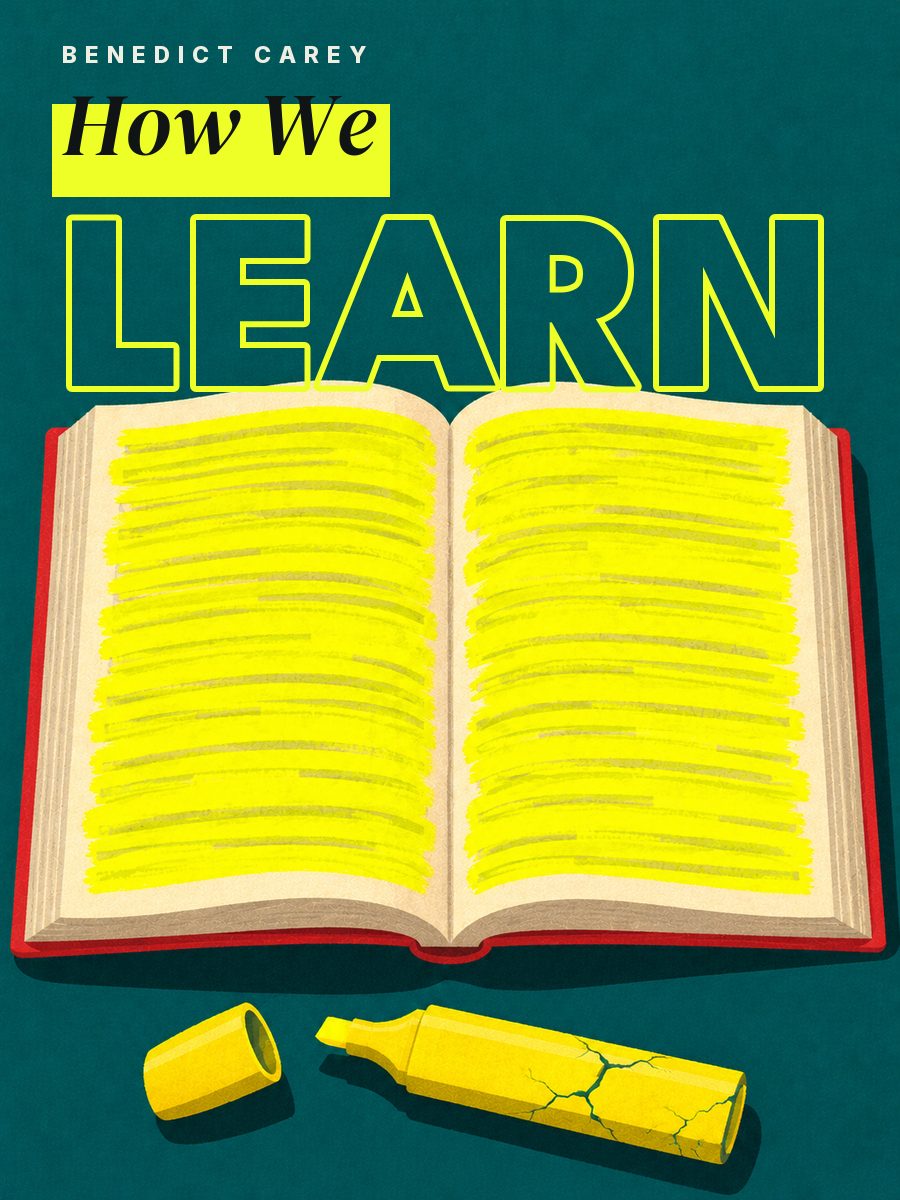 How We Learn: The Surprising Truth About When, Where, and Why It HappensBenedict Carey
Why do schoolchildren remember more of a poem two days after learning it than on the day itself? Science reporter Benedict Carey gathers a century of research on memory and shows that forgetting, breaks, changing places and sleep, the very things we were taught to fight, can make learning deeper. The book explains…
Question 1 of 5
What happened to Ballard's students after two days without reviewing the poem?
Show the answer
Right answer: Their scores rose by about 10 percent
Ballard called this reminiscence. After a pause, knowledge can come back better than right after you memorized it.
Question 2 of 5
Which group in the experiment by Smith, Glenberg and Bjork recalled more words?
Show the answer
Right answer: The one that studied in two different rooms
The second group recalled twenty-four words against sixteen: each new setting adds one more door to what you know.
Question 3 of 5
According to Sio and Ormerod's review, when does a break help you solve a problem?
Show the answer
Right answer: Only after you've hit a real dead end
Incubation works, but a break taken too early does nothing. First you have to get stuck.
Question 4 of 5
What did Bluma Zeigarnik's experiments with interrupted tasks show?
Show the answer
Right answer: Unfinished tasks are remembered better than finished ones
An unfinished task stays an open goal, and a goal tunes your attention. That's why Carey starts a big project first.
Question 5 of 5
According to the Night Shift Theory, how should you sleep before a performance or a match?
Show the answer
Right answer: Go to bed later and sleep in
Stage 2 sleep, which helps you learn movements, runs longest in the hours before you wake up.
Want all of the book's key ideas? Read or listen to its retelling in Livria.